
Explore real stories from the monitoring room: how Cardiac technicians detect silent heart attacks, rare arrhythmias, and life-threatening rhythms before it is too late.
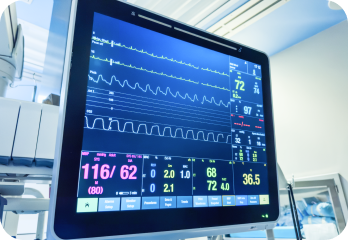
In modern healthcare, not every life-saving moment happens in an emergency room. Some happen in quiet monitoring rooms, in front of computer screens, where someone is watching heartbeats line by line. Among these silent professionals are Cardiac technicians, the people behind cardiac rhythm interpretation services, who monitor the electrical rhythm of the human heart and often become the first line of defense when something goes wrong.
Most people think Cardiac technicians just record reports or check graphs. In reality, the job is much deeper than that. Every waveform on the screen represents a real person, a real heart, and sometimes a life that depends on how quickly that waveform is understood.
An Cardiac technician’s job is to perform electrocardiograms and monitor cardiac data, but the real responsibility is interpretation and timely action.
Devika (pseudonym), was working a night shift when she noticed a critical arrhythmia pattern. The patient was a 67-year-old man who had no idea he was experiencing a silent myocardial infarction in his sleep. She did not panic. She reviewed the event, confirmed the findings, and escalated the report to the physician within five minutes. That decision helped the medical team intervene in time.
She did not wear a cape. She did not stand in an operating room. She simply recognized a dangerous pattern and acted quickly. That is what an Cardiac technician does.
Captured Event – Pause event :
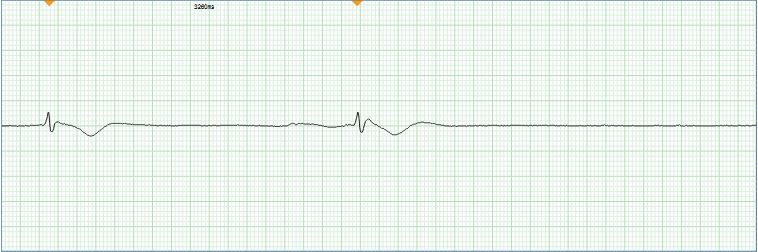
This profession demands intense focus. Cardiac technicians review hundreds of cardiac events in a single shift. Every event cannot be treated the same. Some are harmless. Some are technical noise. But one event in between can be life threatening.
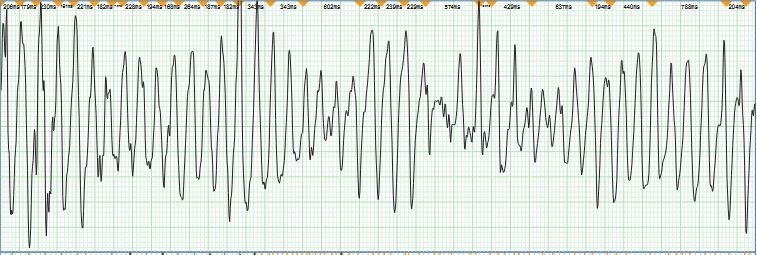
Ramesh (pseudonym), a CRAT certified technician, once reviewed more than 800 cardiac events in a single shift due to a sudden increase in patient volume. During that shift, he identified a rare and dangerous rhythm called Torsade de Pointes. It is a rhythm that can become fatal if not treated immediately. He escalated it without delay, and the patient received treatment in time.
Most people will never know his name. But one family will always be grateful that someone was watching carefully that day.
Captured Event - Torsade de Pointes
Working as an Cardiac technician is not a typical nine to five job. There are night shifts, weekend shifts, and holiday shifts. Many technicians miss family functions and festivals because someone has to monitor patients around the clock.
Priya (pseudonym), a CCT technician and mother of two, manages her home during the day and works night shifts. When asked how she stays focused during long hours, she said something very simple. She said that every time she reviews a report, she imagines it is her father’s heart she is looking at. That thought keeps her alert and careful every single time.
This job is not only technical. It is emotional. It is human.
Today, remote cardiac monitoring has expanded across the world. Cardiac technicians now monitor patients from different countries and time zones. A technician sitting in Chennai or Trichy may be reviewing the heart rhythm of a patient in Chicago, Houston, or London. Distance does not matter. The responsibility is the same.
At Techindia, trained CCT and CRAT certified technicians review millions of cardiac events. They may never meet the patients whose data they review, but their decisions directly affect those patients’ lives. Their work crosses borders and time zones, but the goal is always the same: detect early, report fast, and help save a life.
Behind many cardiac emergencies that are prevented in time, there is often an Cardiac technician who noticed something was not right. Their work is quiet, but the impact is powerful. Their days are filled with waveforms, reports, and alerts, but also with purpose and responsibility.
So the next time you think about healthcare, remember that not all heroes stand in front of patients. Some sit behind screens, watching heartbeats, one waveform at a time.
They are Cardiac technicians and many lives are safe because they were paying attention at the right moment.






 Previous
