
Explore the complete remote cardiac monitoring workflow from wearable ECG devices and secure data transmission to AI analysis and physician-led intervention.
Remote cardiac monitoring (RCM) is a specialized branch of remote patient monitoring (RPM) that focuses on the continuous assessment of a patient’s heart rhythm and electrical activity using wearable or portable ECG-based devices.
These systems record, transmit, and analyze heart signals in real time, enabling clinicians to identify arrhythmias, ischemic events, or conduction abnormalities; even when patients are miles away from the hospital.
Unlike short-term ECG or Holter monitoring, which provides only 24-48 hours of data, remote cardiac telemetry enables continuous, 24/7 observation for days or weeks.
It’s a breakthrough in how cardiologists, hospitals, and diagnostic centers manage patients, combining sensor innovation, secure connectivity, and expert interpretation to deliver faster and more accurate cardiac insights.
Remote cardiac monitoring follows a structured workflow that ensures accuracy, patient safety, strict patient data privacy compliance, and timely intervention.
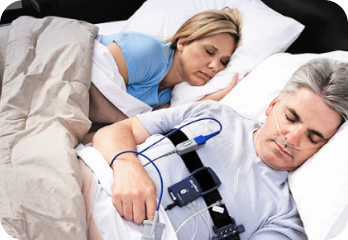
Clinicians identify eligible patients (e.g., arrhythmia surveillance or post-procedure monitoring). A wearable patch, telemetry recorder, or portable ECG monitor is applied, and patients are educated on use and maintenance (Usually done on client side).
High-precision electrodes record continuous ECG waveforms, providing accurate electrical activity of the heart. Bio-sensors options range from single-lead patches to multi-lead telemetry systems.
Captured ECG data is transmitted securely through Bluetooth, Wi-Fi, LTE/cellular networks, or device-specific telemetry channels used in Holter patches, mobile cardiac telemetry (MCT), event monitors, and ambulatory ECG wearables. The data is then routed to a secure cloud platform where clinicians can access it in real time.
Advanced algorithms within Mobile Cardiac Telemetry (MCT) platforms analyze incoming data, automatically flagging abnormalities like pauses, AFib, or tachycardia, and trigger alerts to monitoring centers.
Certified cardiac technicians (CCT/CRAT) and electrophysiologists review each flagged event, validate algorithm findings, and annotate ECG segments for clinical reporting.
Validated reports are shared with the referring physician. Urgent alerts prompt immediate notification, allowing timely patient contact or intervention.
All ECG data and reports are stored securely. Long-term analysis helps track rhythm trends, therapy effectiveness, and recurrence risk.
Modern cardiac monitoring integrates advanced technologies that make continuous, reliable rhythm tracking possible:
Together, these technologies create a continuous, real-time ecosystem that strengthens diagnostic accuracy and speeds decision-making.
AI cardiac rhythm analysis platform is becoming an essential component of modern cardiac telemetry, especially when analyzing large volumes of continuous ECG data. AI models help streamline remote monitoring by:
While AI accelerates speed and accuracy, it does not replace clinical judgment. Human oversight remains critical—certified cardiac technicians (CCT/CRAT) and electrophysiologists validate every clinically meaningful event before reports are generated. This hybrid model preserves diagnostic reliability while enabling large-scale monitoring across diverse patient populations.
Remote cardiac monitoring delivers measurable benefits for both patients and providers.
Evidence: Remote cardiac monitoring provides measurable clinical benefits by supporting early detection and proactive care management. For example, pulmonary artery pressure–guided management in heart-failure patients has demonstrated a 37% reduction in heart-failure hospitalizations, based on landmark trials such as the CHAMPION study.This supports the value of continuous remote monitoring for preventing deterioration and avoiding costly acute episodes.
While automation drives efficiency, human expertise remains the backbone of reliable cardiac diagnosis.
AI can detect abnormalities, but distinguishing between benign variations and clinically significant arrhythmias requires certified cardiac professionals and EP.
At Techindia’s Cardiac Rhythm Interpretation Center, each ECG event is:
This blend of automation and expertise ensures diagnostic accuracy, minimizes false alarms, and provides actionable insights to treating cardiologists.
Implementing a remote telemetry program requires both technology enablement and clinical readiness.
Key steps for successful integration:
By aligning processes, technology, and training, hospitals can deliver faster, safer, and more efficient cardiac care at scale.
Highlights
Remote cardiac monitoring represents a major advancement in digital cardiology, merging technology, connectivity, and expertise to transform how heart rhythm disorders are detected and managed.
By enabling continuous ECG observation, predictive analytics, and expert oversight, hospitals and diagnostic centers can shift from reactive to proactive cardiac care.
With proven partners like Techindia, organizations can scale remote telemetry programs globally; achieving earlier interventions, higher diagnostic yield, and better patient outcomes.






 Previous
